“I can't stress enough the difference we see careers guidance making”
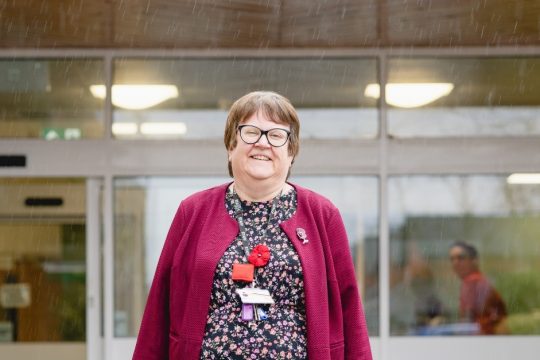
Tessa Claridge is Principal at River Dart Academy, a small alternative provision school in Devon. She also has a trust-wide responsibility for careers education and guidance across the Wave Multi Academy Trust, with settings including alternative provision, medical provision and special schools. In this Q&A, Tessa talks about some of the challenges she faces in senior leadership and how careers guidance has become a powerful tool in helping tackle them. Tessa Claridge
Tessa ClaridgePrincipal, River Dart Academy
Tell us about the biggest challenges you face as a school and trust leader.
Key priorities for me are to improve attendance and address issues with behaviour. The young people that come to us have been excluded from their previous schools. This can be for many different reasons, for example SEND needs that haven’t been identified in mainstream education. We focus on supporting them back into education.
It’s critical that we have a system that helps us work with each young person to identify and understand their barriers, so we can take action to keep them in school and then support them to move into further education, training or employment. That’s how they’ll reach their potential.
What role does careers guidance play in re-engaging young people?
When we’re looking at improving attendance, behaviour and academic attainment – key elements of NEET prevention – good careers guidance, built around the Gatsby Benchmarks, is that beacon of hope that makes the link between learning, sticking with education, and young people achieving their ambitions for the future they want. I can’t stress enough the difference we see careers guidance making – the options it opens up and the way it changes their lives.
With really good careers education, information, advice and guidance, and modern work experience as part of that guidance, we can support young people so that they understand all the different options out there. Choosing a pathway really motivates them to stick with school.
Self-worth grows and the young person’s morale increases. They become positive by having something they want to aim for. We see significant behaviour improvements because the young person is more engaged and wants to be at school. Because they want to come to school, attendance leaps up drastically. There’s so much more to it than what people might first think when they hear ‘careers guidance’.
We go from a young person who didn’t want to come to school, where attendance was poor, behaviour was poor, self-esteem was low, to them being at school and wanting to be here.
How do the Gatsby Benchmarks feature in your role as leader of the school?
As set out in government statutory guidance, we’re prioritising careers guidance at leadership level, using the Gatsby Benchmarks.
This means that we have a whole-school approach to careers and puts the Gatsby Benchmarks at the root of all of our planning, not just in our school but across the whole Trust. The framework is at the core of our offer right from Year 7 to Year 11 and embedded through all our settings – Alternative Provision, Medical Provision and Special Academies.
We have careers leaders across each of the 11 schools in our trust but, to make a real difference, everyone must be involved and invested in careers guidance. This means every staff member that our young people interact with – senior leaders, teachers, support staff, teaching assistants, HLTAs and the administration teams that support.
Across the trust, we’ve made a leadership commitment to this, creating a sense of ownership from the top. For example, every member of our team committed to and completed The Careers and Enterprise Company CPD modules. Careers are a focus within all subjects, which is really powerful.
The Gatsby Benchmarks have given us a framework to design careers programmes for our schools that meet the varied individual needs of each of our young people. They ensure we’re giving young people the quality careers provision they need and deserve.
How does careers provision help you tackle disadvantage and disengagement?
For our young people who have become disengaged with education, it’s about supporting them to get to what their aspirations are. What do they love? What are they passionate about? What could they potentially be brilliant at? That informs how we support them.
Often, this is about finding the right curriculum – one that inspires that young person. Careers guidance, tailored to individual needs, is absolutely fundamental to this. Once we know what they might want to do, we can put a curriculum in place to help get them there. We shape a curriculum for them that has Post-16 front-of-mind – what do they need to enable them to go to college, into employment, into training or an apprenticeship?
The Gatsby Benchmarks help us contextualise curriculum subjects accordingly and link every part of our curriculum to careers. Bringing the subjects to life through careers has made such a difference.
Once you have the right curriculum, attendance picks up quickly because the young person is more engaged and can see school and education more widely serve a purpose. They get that it is integral to fulfilling their future career aspirations.
More from Tessa
“I didn’t think school was for me at first. I enjoy learning now because I can see how it’s useful for my future. I’m proud I’ve got my apprenticeship.” Tessa tells us about the turnaround journey of one of her students
Tessa joins students and their principals to explain how making career guidance a senior leadership priority helps keep young people in education, employment and training – watch our short film