The latest statutory guidance for schools and colleges on careers provision, for implementation from 2025-26, sets out new responsibilities for school and college leaders, including making careers guidance a strategic leadership priority.
It highlights that when this happens strong careers programmes can help improve student behaviour, attendance, wellbeing, inclusion and attainment.
This approach is something that helped us to move our school – Sandy Secondary School, a maintained secondary school in Bedfordshire with 1,200 students – from a Requires Improvement Ofsted rating to Good in just two years.
In this article, I will share what we do at Sandy Secondary School and offer some ideas and practical tips for how to embed careers guidance.
Strategically prioritise careers guidance…
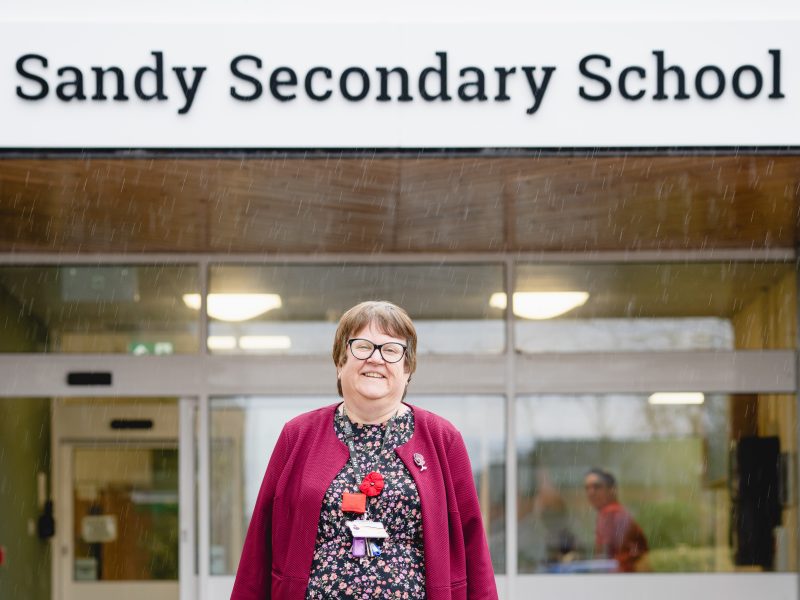
Our careers guidance programme is a priority across the school – for me, for the senior leadership team, and throughout the teaching and support staff. It is not an add on or a box to tick; I don’t delegate to my careers leader and forget about it.
In fact, I undertook careers leadership training alongside our careers leader when he did the training in 2024 and 2025. This really helped me to support my careers leader and to bring careers right into the heart of what we do at the school. We’ve used the DfE guidance and the Gatsby Benchmarks within that, to shape and deliver a high-quality careers programme. Ofsted’s inspectors highlighted our strong commitment to raising outcomes and our thoughtful approach to careers guidance in their report – it’s something the whole school is proud of and gets behind.
..to drive whole-school improvement
By prioritising careers, we’ve seen improvements in priority areas across the school. It has led to better attendance – it makes our students want to come to school. It’s led to improved behaviour – students are more focused in lessons and have higher expectations of themselves. And it’s impacting attainment and progression because students see the point and value of education. That’s been the pinnacle for us: we now have young people who want to achieve.
Recognising the link between good careers education and attainment was transformational for us. We began to realise that you can focus a lot on trying to get exam results up, but the ambition and aspiration that you get through careers education also has to be there if you’re going to succeed. That was what was missing for our students – good career guidance was the missing link for us to raising attainment.
Start in year 7
Career guidance needs to be planned right from year 7 all the way through to year 13, with a clear and structured plan for each year group. It begins with developing skills and characteristics needed for work and then gaining knowledge – looking at potential careers, talking to people who work in them, getting experience of workplaces, understanding qualifications and pathways. Having that knowledge before you pick your options means you’ve got a longer-term plan which is flexible when it needs to be.
Bring staff and parents on the journey
Careers guidance should not just fall to the careers leader; it’s vital that every member of staff has bought-in to why careers guidance matters and their role in it. We offer training sessions to all our teachers and we regularly engage with parents through our communication channels on what we’re doing in the careers programme.
Link the curriculum to careers – in every subject
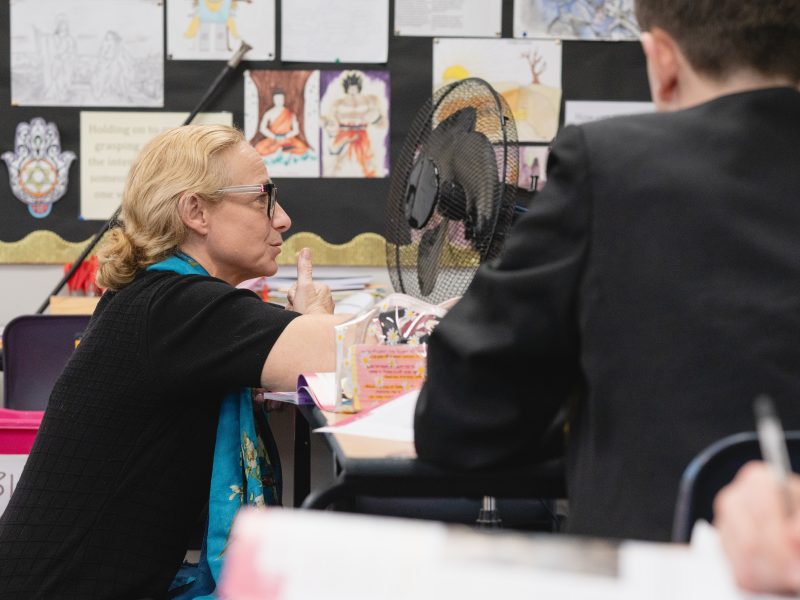
Each teacher links their subject to the wider world of careers, in every year group, so that our young people understand the broad range of careers available from studying that particular subject. We encourage our staff to spend time getting up-to-date information on the ever-changing labour market to ensure the information is relevant and accurate.
Linking the curriculum to careers is not only a statutory requirement, but it also brings a subject to life and can contextualise learning – by that, I mean, young people understand how it can be applied to a career. This is particularly useful for those students who might be less engaged.
Network with the local community
The local community is a vital partner to deliver an effective careers programme – lean into it. Local businesses can offer role models to come in and talk to your young people, offer meaningful experiences of work, mentoring, and take part in careers fairs. Work closely with your local careers hub and use their expertise and contacts. Our hub helped us recognise what different things we needed in play and how we could better focus what was already happening in the school.
Kelsey’s story
I’d like to talk about a current year 10 student, Kelsey. She wouldn’t engage with us, she didn’t trust us, she would say everything was a challenge and was negative. She didn’t see the point of school – in fact she’d happily say she despised it.
Attendance was an issue, being in lessons was an issue, and she was dysregulated. She didn’t have any ambition. She knew what she liked and what she didn’t like, but she didn’t know how that could be expressed in a meaningful way to help her move forward. Something had to change if we were to keep Kelsey in education. The Gatsby Benchmarks and our careers education programme provided an answer.
A career skills intervention with ZSL Whipsnade Zoo when she was in year 9, tailored to Kelsey’s specific needs and challenges, was a particular turning point. The programme, aimed at students who are disengaged from education and with high risk of becoming NEET, took Kelsey out of the classroom environment one a day a week, for six weeks.
It focused on something we knew she was interested in – she had always been passionate about animals – and it became aspirational for her because she could see all the roles that they could offer within the zoo and what she might want to do. She could see what would be required of her and it gave her belief that she could fit into that sort of role.
Through our wider careers programme, we were then able to nurture what this experience had sparked in her, plotting out an achievable pathway to get her into what she’s now confident would be a good career for her. Good careers guidance has generated a profound change in Kelsey. She’s attending school, she’s in lessons and most importantly she’s got an aspiration and ambition. She’s focused on getting the GCSEs she needs to go to a local college which she then hopes will take her on to an apprenticeship back at the zoo.
Final thoughts
From my experience, improving your careers programme isn’t about quickly making huge changes or doing lots of different things. One of the best things we did was not run before we could walk. Much of it is about strategically planning and evaluating what you already do – mapping across the school, across the year, across your different students.
- Karen Hayward is executive principal of Sandy Secondary School, a maintained secondary school in Bedfordshire, part of Greensand Federation
This content was originally published in Sec Ed on 19 May 2026.