
Student stories “He’s a different young man now”: how finding a future brought Ben back to school
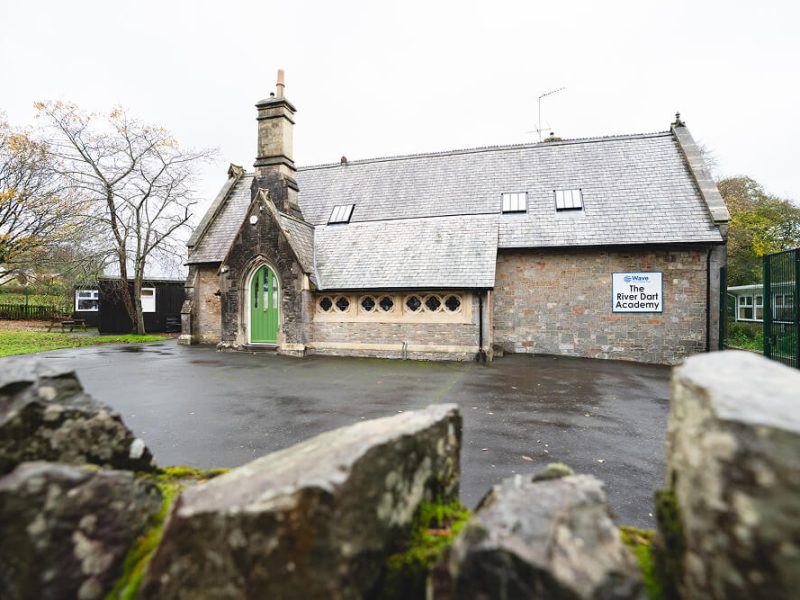
Ben* came to River Dart Academy in Year 10 having been permanently excluded. River Dart is a small school in Devon, focused on supporting and reintegrating these young people who have been excluded from other settings with the aim of getting them back into mainstream education.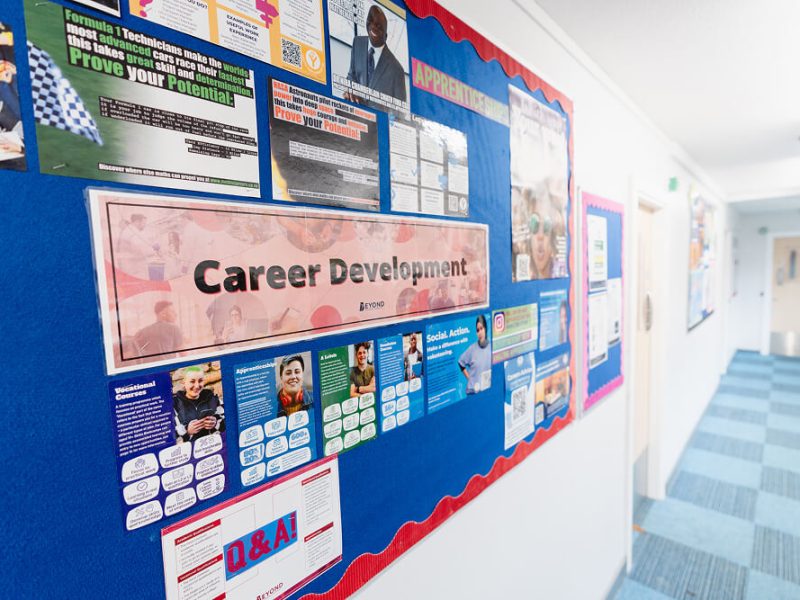
Ben was disengaged with education and had real anxieties and unmet needs. His behaviour was impacted and he’d only been attending his last school about 60% of the time.
“One of the key issues that I face as a leader at River Dart Academy, and the wider trust, is finding ways to make sure our, often very vulnerable, young people don’t fall out of education and become NEET. Some of our young people come from the most disadvantaged backgrounds with very low aspiration,” explains Tessa Claridge, who is Principal of River Dart Academy and has a trust-wide responsibility for careers education and guidance across the Wave Multi Academy Trust that the academy is part of.
“Good careers guidance is such a big thing for us across the trust. It makes a huge difference to our young people and it’s positively impacting our schools as a whole – it’s contributing to attendance increasing and behaviour improving.
“Because careers guidance, using the Gatsby Benchmarks, is at the heart of everything we do now, we were able to provide personalised careers information, education and guidance, tailored to Ben’s strengths and goals, which completely changed his outlook and has given him a bright future,”
“I remember on day one that he wouldn’t even get out of the car. His mum was finding it really difficult that he’d been placed with us. Ben couldn’t see past his experience of being excluded, he couldn’t see himself coming into our school, let alone still being with us in Year 11. The idea of Post-16 or a career was far from on his mind. I recall looking at his timetable initially and thinking, this just isn’t going to work for this young person. He didn’t want to go to maths or English, he couldn’t see he would ever be doing GCSEs.
“We worked with him and his mum to get to know him and his family, stopping to properly listen to them. Originally, he said he didn’t know what he wanted to do for work. But the more we got to know him, the more he shared what he liked, his interests and aspirations. It became apparent that he had a burgeoning passion for gardening and landscaping which had stemmed from cutting grass for family and friends.
“This interest helped us change the language we used to talk to him about school. Focusing on his career aspirations meant we could put his education into context for him using our careers programme, which is structured around the Gatsby Benchmarks.
“When we were talking about maths, we talked about how he would need to measure spaces if working in landscaping and provide quotes for his work. We showed how English would help him engage clients and put his ideas to them. Art was another thing Ben was resistant to. But our art teacher was brilliant, talking to him about how he would need to be able to present his designs visually.
“It was a real lightbulb moment – he could see the purpose of learning.
“We designed a timetable with him which acknowledged that while it was really important he was accessing education five days a week, being in school full time could make him struggle. So, we arranged for him to spend two days a week out of school learning elements of landscaping and the rest of the week he was in school focusing on his core subjects, maths, English, art and science.
“He was in education more and more, taking an active part in lessons with growing confidence and engaging positively with staff and pupils. A really lovely, committed and increasingly independent young man started to emerge. He did fantastically well. His attendance was great, he engaged fully in his subjects and got his GCSEs. He has gone on to do an apprenticeship in groundworks and now wants to be a young entrepreneur and run his own business. I’m sure he’ll come back to me in a few years to say he’s doing just that.
“We went from having a young person that didn’t want to come to school, where attendance was poor, behaviour as poor, self-esteem was low, to them being at school and wanting to be here,” Tessa concludes.
“He’s a different young man now,” says Lilley, Ben’s mum. “Before, he just wouldn’t go to school and had no motivation. Now he gets up, looks forward to his days and talks about his future with excitement. The support he’s had has made all the difference – he’s found something he loves and can build a career in.”
*The young person’s name has been changed to protect his identity.