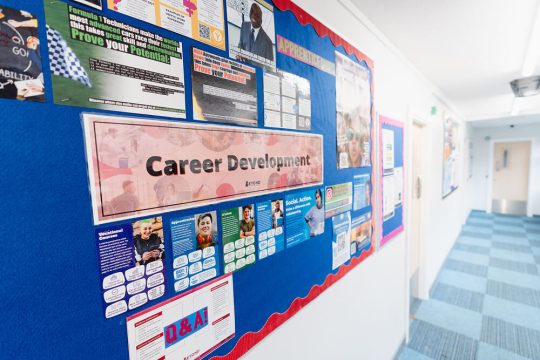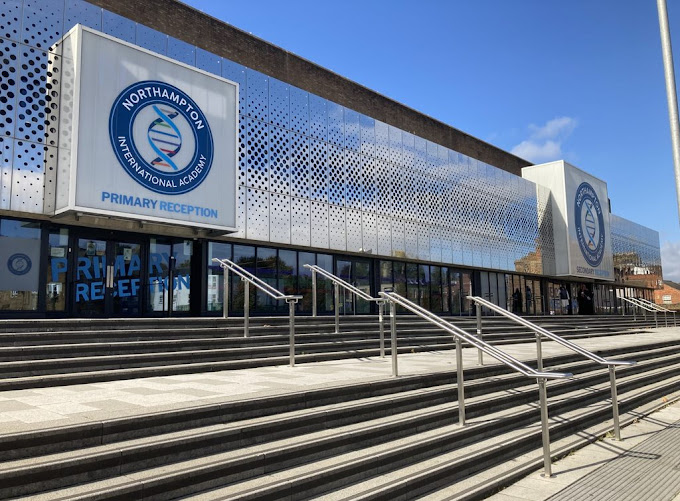
Something was sparked in me after a ResearchED conference in September 2023. I attended a session about careers aspirations and how it can drive whole school improvement.
The school where I am Assistant Headteacher, Northampton International Academy (NIA), had received an Ofsted rating of ‘requires improvement’ in January 2022 and, as the Senior Leadership team, we were looking at ways of turning the school around.
In the Ofsted report, it said of our careers provision: ‘Some students in the sixth form do not have access to appropriate careers advice and guidance. This means that they do not receive the help they need to make well-informed choices about their next steps. Leaders must ensure that there is an effective programme of careers advice and guidance in place so that students get the expert support they need’.
The session at the conference talked about how an effective careers programme is of immense value in and of itself, but it can also have a profound knock-on effect on improving other important areas of school life such as academic achievement, attendance, behaviour and safeguarding, to name a few.
I had an epiphany: an effective careers programme can raise aspiration and give young people something to aim for. They can see an end goal, the next step they’re aiming towards and what they need to achieve to get there. Essentially, they understand the point of studying. Raising aspirations can act as a motivational tool which sees better attendance, behaviour and academic outcomes.

Following this illuminating realisation, I was supported by my school to complete careers leader training (funded by the Careers & Enterprise Company) so I could be really informed about how to ensure we could run a brilliant careers programme at NIA.
Before I started drafting a careers plan, I took a step back and did a SWOT analysis of our current careers provision at NIA:
| STRENGTHS Experiences of the world of work 1:1 guidance for year 11 and 13, moving to year 11 and 12 Sep 2024 Careers within subject areas SLT buy-in Evaluation and adaptation
| WEAKNESSES Tracking at student level Time and resources Impact measurement (due to short time in role)
|
| OPPORTUNITIES Whole school responsibility for careers Staff CPD
| THREATS Encounters with HE/FE – due to cohort size
|
Key priority/action areas from SWOT:
| |
This was a great one-page overview of where we should focus our efforts.
From there, I wrote a strategic careers plan using the Gatsby Benchmarks and took it to my headteacher to get his buy-in. It was important to get the head’s support to ensure it was embedded into the school development plan for the next academic year.
Luckily, I didn’t need to do much to convince the head of the value of careers to drive up improvement of the whole school. I personally believe the head’s support is crucial to the success of an effective careers programme.
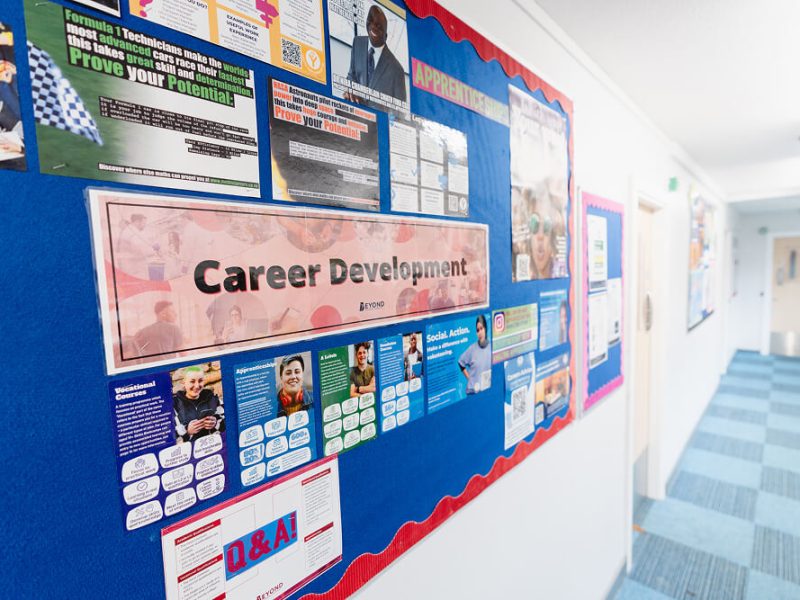
That’s why I’m so pleased to see that the updated Gatsby Benchmarks have as one of the key themes ‘careers at the heart of education and leadership’ as it’s vital to success that it is prioritised across the whole school or college and everyone – leadership, governors, careers leaders and careers advisers – has clear and defined roles.
I got on with executing my plan. I started with ensuring staff were trained on Unifrog and started to build an alumni network with ex-students. I also realised we needed to improve our encounters with HE and FE providers so I started reaching out to lots of them and asked them into school to do bespoke events for our students. We were finally able to get all learners in Year 6, Year 10 and Year 12 on a HE trip to the University of Northampton. We have now embedded this as part of our careers programme.
Another area where I spotted an opportunity to get good processes in place was around the collection of data. In the updated benchmarks there is a focus on using information and data to inform decision-making; but we were at the start of our journey so, for us, starting out, it was about having good systems in place to capture data for when we could then get to a place where we could use it.
A key thing that I was keen to get right from the start was establishing good and regular working relationships with key partners. The safeguarding teams and local authority were important partners to ensuring a joined-up, holistic approach for some of our most vulnerable students, and to ensure our careers interventions were informed by the whole picture of the young person. Our industry partner from Saint-Gobain has also been fundamental in giving industry insight and offering talks and school trips.
As I am an Assistant Head and also the Careers Leader, our headteacher recognised that I needed some support. I was promoted to leadership and able to get more resource in the form of a careers assistant who took full responsibility for supporting with booking careers appointments and the organisation of work experience.
With a plan in place – underpinned by the benchmarks – good systems established and an appropriately resourced careers team, we started to make impact.
By the end of the academic year, we had reduced our NEET number to eight out of 356, attendance figures were up, and suspensions and behaviour incidents were down.
A rewarding and full-circle moment for me was when we had another Ofsted inspection in October 2024, where personal development was graded good and we got this comment: ‘All pupils benefit from a rich careers programme that begins in the primary phase’. I felt proud that this was recognised and I can’t wait to build on our achievements, which I believe will be even more effective with the updates to the Gatsby Benchmarks.